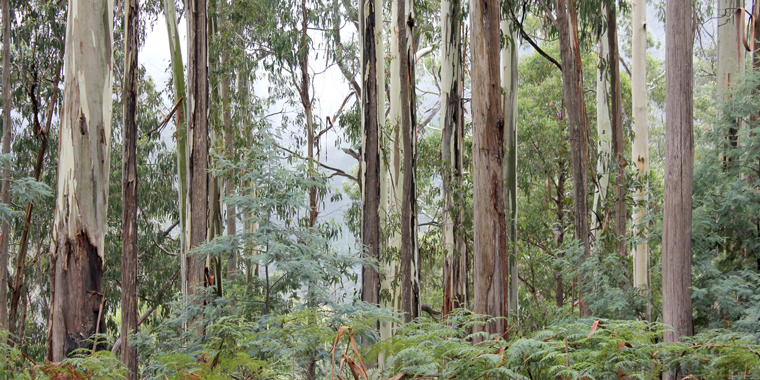
Ash forest threatened species decisions lack evidence
AFPA has questioned the decision to list two native tree species as endangered under the Environment Protection and Biodiversity Conservation Act 1999 (EPBC Act).
Ignoring the latest scientific evidence and feedback, the Federal Government has agreed to the Threatened Species Scientific Committee’s recommendation to include Alpine Ash and White Ash forests in Australia as endangered, which came into effect on 20 March 2026.
AFPA Chief Executive Officer Diana Hallam said: “This decision raises serious questions about the evidence presented to the Minister, as the science does not support the listings.
“It’s very disappointing that the Threatened Species Scientific Committee has ignored the feedback from highly respected forest scientists, with the final declaration simply replicating the initial consultation documents.
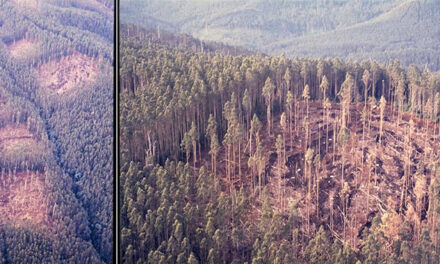
“Experts responding to the consultation process were quite unequivocal in their feedback, asserting that the Alpine Ash species was not at risk of extinction given its very large, intact distribution of 720,000 ha throughout south-eastern Australia and the species’ resilience following fire.
“To quote the Government’s own consultation document on Alpine Ash: ‘since 1750 there has been less than a 5 per cent decline (outright loss) in the distribution of Alpine Ash forests of mainland Australia.’ In other words, 95 per cent of pre-1750 Alpine Ash Forest communities are still intact and far from extinction.
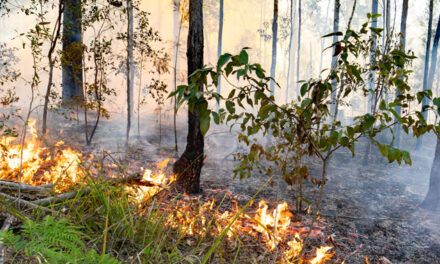
“Ultimately, both the White Ash and Alpine Ash species are at greatest risk from fire, and we fear the decision to list both is likely to lead to worse outcomes for these communities and ecosystems.
“We fear that if conservation agencies take a minimalist approach to preparing for and managing fire in their jurisdictions, Alpine Ash will be at even greater risk. The future of the Ash forests depends on active management, including seed collection and prescribed burning, amongst other activities. The majority of Alpine Ash communities are already within protected areas.”
MAIN PIC: Shutterstock