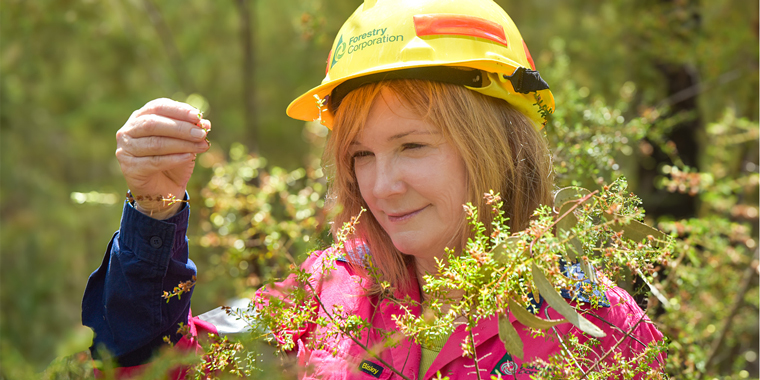
The ecologist putting everyone in the picture
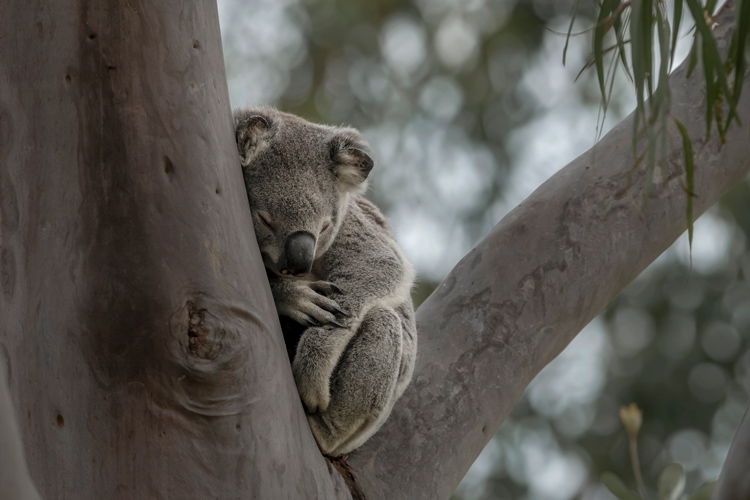
Eating leaves is exhausting business!
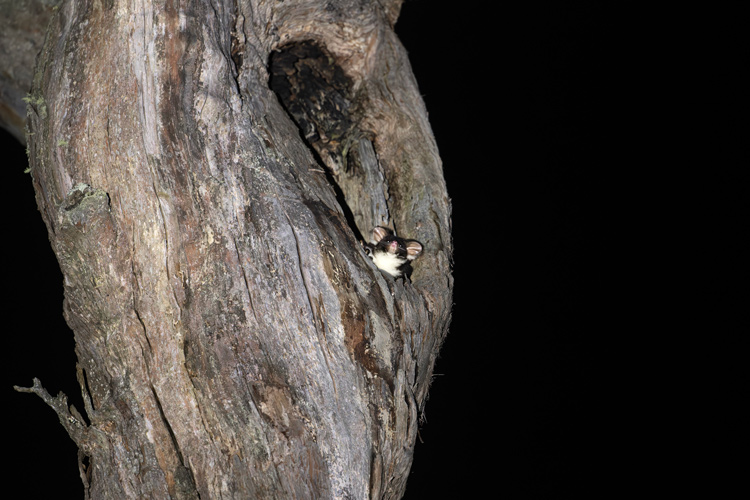
Bronwyn captured this Greater Glider emerging from its den during a night spotlight survey for Forestry Corporation of NSW.
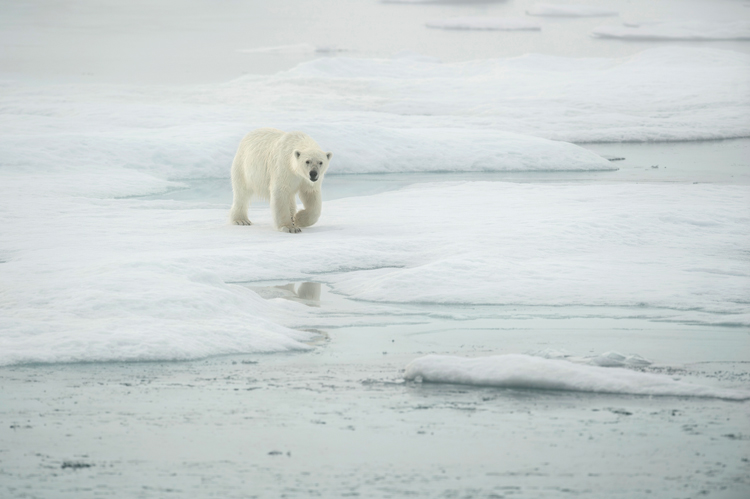
Bronwyn captured this timeless image of a young and curious female bear who approached their ship in the sea ice on a photographic tour of north-east Greenland in 2023.
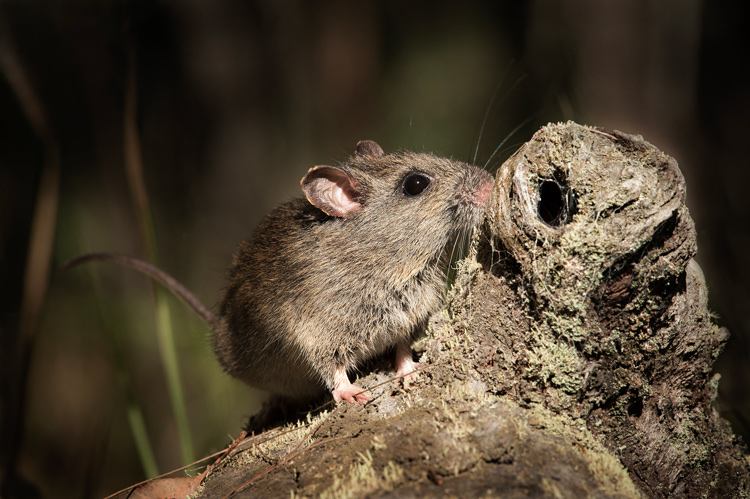
This Hastings River Mouse is an endangered native rat species that Forestry Corporation of NSW has on an annual (trap and release) monitoring programme. Bronwyn’s image was taken on its release. All images: Bronwyn Ellis
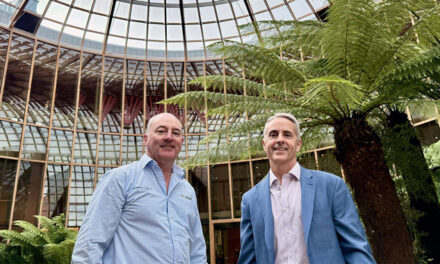
MAIN PIC: Bronwyn Ellis had a dream that she worked in forestry when she was a
teenager, and she has now been living that dream for 40 years. Image: FCNSW
It speaks to Forestry Corporation of NSW’s land management ethos that talented arctic wildlife photographer, ecologist – and nature lover, Bronwyn Ellis has worked for this organisation for 40 years.
Bronwyn is slightly built and thoughtfully spoken. But make no mistake she is her own force of nature, and she has carved out a deeply meaningful career within this sustainable business.
Bronwyn moved up the industry, from her earliest role in 1984 as Forestry Corporation’s (then) sole female Forest Ranger, taking subsequent positions as a field ecologist and (more recently on secondment) the environmental and sustainability team coordinating ecological monitoring programmes.
Since 1998, according to Forestry Corporation’s GPS tracking, Bronwyn has walked more than 3500km across forestry terrain (which is roughly from Cape York to Melbourne).
PROTECTING THE FOREST
One of the endangered plants Bronwyn has a special connection to is a plant called Tylophora Woollsii. There used to be no records of it in her area for the coastal and hinterland forests near Taree and Wingham. That is, until Bronwyn found it for the first time in Comboyne State Forest on February 7, 2008.
“It’s a really tricky plant to identify. It looks similar to another common one, so I had to follow up and go back and try and find it flowering so that we could be 100% certain,” Bronwyn said. “As a result of that, a botanist has been back to my sites in the last couple of years and established conclusively that these plants are there. That is probably my biggest plant find.”
Looking for animals can be more challenging because they are (naturally) on the move. Forestry Corporation ecologists follow tree markings, scats, and droppings. They also use sound recorders and cameras, which are deployed for two weeks at a time to capture activity.
“We do targeted surveys before harvesting operations as part of the planning process and we have an annual monitoring programme across the State,” Bronwyn explained. “Because we want to understand what is out there, and how the populations are going – in addition to identifying specific habitats that we need to protect.”
OWL SOUNDS LIKE A WOMAN SCREAMING
Her current day-to-day efforts focus on finding and identifying flora and fauna in the native forest that is either unexpected or endangered between the coast and hinterland of the Manning and mid-north coast. Her work helps everyone understand what calls the forest home.
Bronwyn’s portfolio also involves some night surveillance work, and she says the sounds of the forest after dark are not as terrifying when you know which animal noises swell and carry through the trees on the night air.
or the uninitiated, the call of the Sooty Owl sounds eerily like a “woman screaming”, which can be unsettling. However, to Bronwyn’s trained ear, it’s all part of the magic of the forest’s many and special secrets.
This is important work that she loves, because it protects any threatened species for future generations.
AWARD WINNING PHOTOGRAPHIC PASSION
Bronwyn’s passion for photography has been an unexpected win for Forestry Corporation. Her talent has been recognised multiple times by the Australian Photography Magazine’s photography awards.
She finished third in the 2017 amateur wildlife category for the magazine’s Australian Photographer of the Year competition (which includes 2100 entries from Australia and New Zealand). She has entered regularly, never finishing outside the top 20 in the nature category.
She photographed her portfolios in hostile, but compelling polar regions, which remain an ongoing fascination for her. Since 2014, she has travelled to Alaska, Antarctica, arctic Norway and Greenland on wildlife photography adventures. She has photographed Brown Bears, Polar Bears, King Penguins, Albatross, Arctic Foxes, and Elephant Seals. “With photography, I just get transported to another world and I’m so focused that time can just vanish,” Bronwyn said.
“Although, I mostly leave my camera at home on a workday here in Australia, unless I specifically want to try to photograph something. And, yes, there are lots of times when I wish I had my camera with me out here in the forest, but I have a job to do.”
Then there are the days when Bronwyn’s talent behind a lens makes her a welcome resource for the organisation. Her photographs of the Greater Glider at night, while geared more for surveillance than capturing artistic wildlife images – deliver meaningful results.
“A photo from a distance is a non-invasive way of getting an identifying sample of what’s out there,” Bronwyn said.
“We look for them so that we can mark their position down on the Map App and protect their habitat.
“We also put out the bat sound recorders, to pick up the bat calls and a different one to pick up other calls like Koalas and Yellow Belly Gliders.”
Forestry Corporation’s dedicated work in this arena is rarely publicly celebrated, despite it having a team of ecologists on the ground within its land management operations. “As forest managers we care about the forest and the wildlife, and we follow the rules to keep it all in balance by understanding the forest, and making a difference on the ground,” Bronwyn said.
FORESTRY CALLED…
Bronwyn says working in forestry has been a calling for her. “This will sound a little weird,” Bronwyn says. “But I had a dream about it when I was a teenager that I was up in the mountains driving around. And, then after I left school, I applied for a ranger’s job and got it.
While at that time she was a woman working in a man’s world, her straight-forward work ethic has been part of the pioneering example that has helped open the door for more women, who today confidently shoulder leadership roles within the organisation.
Nailing down what is special about the forest for her remains a vast subject. “What’s not special about it?” she smiles.
“Its’ a really nice place to be in. It’s the birds, all the animals, the koalas, the gliders, the owls (that I am particularly fond of). I think the Sooty Owl is my favourite owl.
“I have one of the best jobs because I get to work with nature, and I like finding things. Whether its unique fauna for an area, or special plants that are unusual, rare, or listed as endangered.”
Bronwyn says it is gratifying that her work allows the forest to be managed sustainably today and into the future. Bronwyn is proof that when you love what you do, you’ll never work a day in your life.