Councils support forestry industries
Enews spoke with Kempsey Shire Mayor Kinne Ring about support for GKNP-affected timber workers.
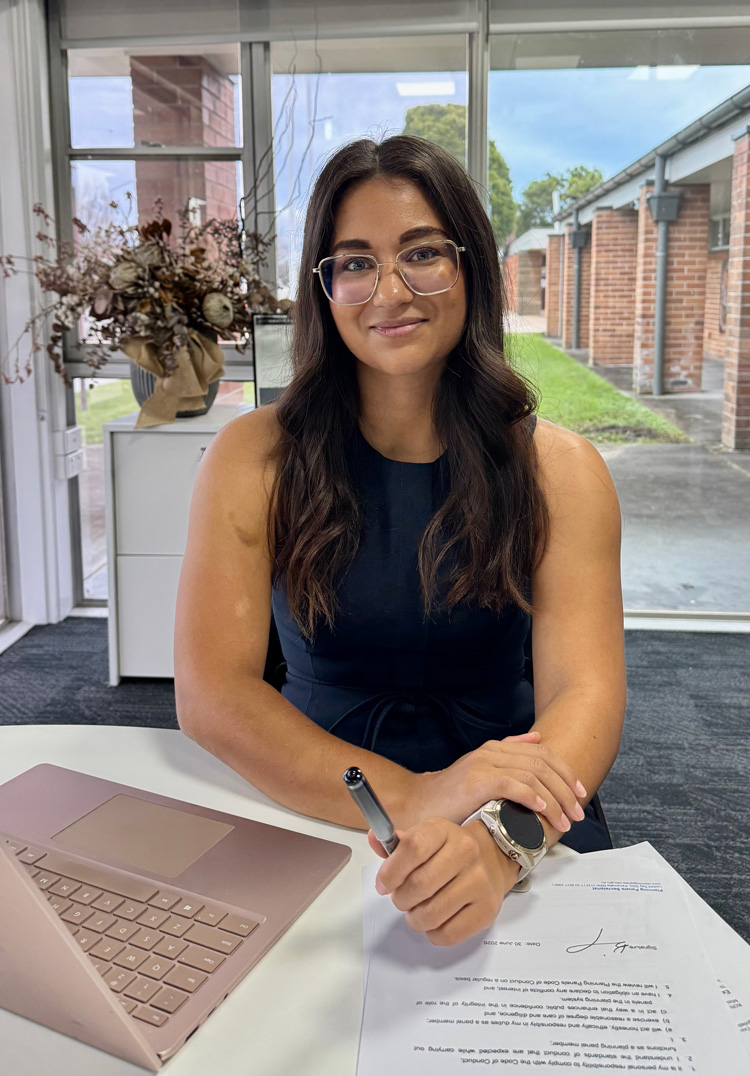
Kempsey Shire Mayor Kinne Ring. Image: supplied
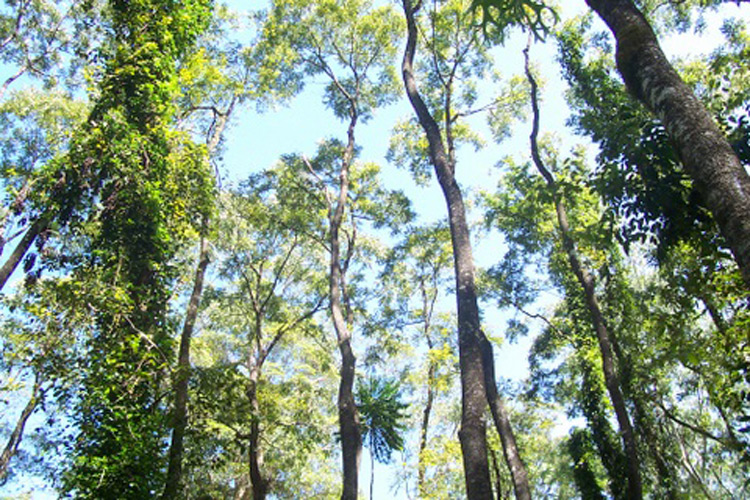
Tamban state forest, just north of Kempsey, will become part of the GKNP. Image: CC/Peter Woodard
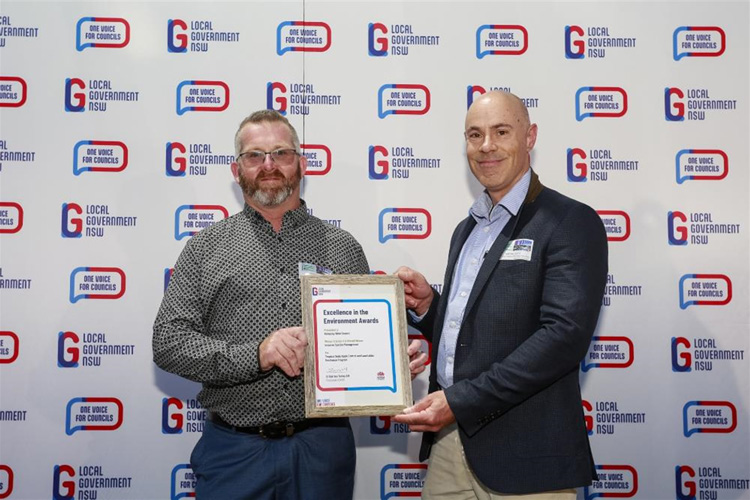
Greg Egan (L), Weeds Officer at Kempsey Shire Council, receiving the 2023 LGNSW Excellence in the Environment Award for Invasive Species Management. It’s feared that a loss of managed State Forest will worsen weed issues like Tropical Soda Apple. Image: courtesy Kempsey Shire Council
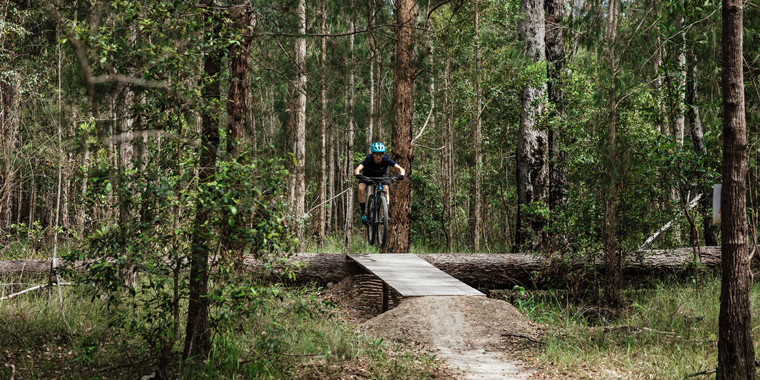
MAIN PIC: State Forests around Kempsey are key parts of the local recreational and tourism scene as well as home to the native timber sector. The Kalateenee Mountain Bike Park was funded with NSW grants and fundraising from local bikers. Image: courtesy Kempsey Shire Council
Multiple councils across the NSW Mid-north Coast have come out in support of their local timber industries in the wake of the Great Koala National Park (GKNP) declaration and native timber harvesting moratorium. No other branch of government is as tuned into community sentiment as our local councils – it’s hard to disconnect from the people you serve when they’re the same people who are on your local footy team or in the café or pub every time you pop in.
These councils are on the front line of the real-world problems already emerging thanks to the Minns Government opting for a maximalist Great Koala National Park and locking the sustainable timber industry out of large swathes of State Forest.
In Kempsey Shire, Mayor Kinne Ring moved a Mayoral Minute – ‘Supporting a Sustainable Timber Industry and Regional Employment’ – at the 16 June 2026 meeting. It read as follows…
“That Council:
- recognises the important contribution of the timber industry to the Kempsey Shire and regional NSW, including local jobs, small business and economic activity;
- supports a balanced approach to forestry policy that considers environmental sustainability and biodiversity protection alongside the needs of regional communities and workers;
- recognises the importance of Australian-grown timber products in supporting housing, manufacturing and regional supply chains; and
- directs the CEO to write to the NSW Premier and relevant Ministers expressing Council’s support for regional timber communities, sustainable forestry practices and meaningful consultation with regional areas regarding future forestry policy decisions and alternative timber supply.”
The minute was passed 7-2.
Mayor Ring’s voice was clearly emotional as she spoke at the meeting. Later, on Facebook, she wrote: “Not many things bring me to tears, but the thought of so many people in my community asking me to advocate for their jobs and livelihoods did yesterday.
“Over the past few months, I’ve spoken with mill workers, contractors, business owners and families who are worried about what the future holds. They weren’t asking for politics. They were asking to be heard.”
We spoke with Mayor Ring this week about the impacts of the GKNP changes on the Kempsey Shire.
UNCERTAIN FUTURES
Kinne Ring grew up in the Macleay Valley and has deep roots in the area. She’s a young mayor, it’s only 14 years since she was school captain at Kempsey High, but in her nearly two years on the job, she’s shown a solid commitment to working for her constituents.
Mayor Ring accepts that the GKNP is an important story for the Minns State Government. “But there’s also the story of the industry and the workers and the people that live in my shire who have been affected by that announcement,” she said. “I have had so many people contact me since the park was announced: contractors, mill workers, owners of mills, and I just couldn’t not do anything for them, and couldn’t not offer them my support.”
Hurford Hardwoods is a significant employer in the region with a mill operating on the outskirts of West Kempsey for generations (under a few names). “They only have certainty until 2028,” said Ring. “Which means all of the workers there don’t have certainty either. A lot of those people feel like they couldn’t work anywhere else. There are a lot of young people who work at that mill, and they are feeling really disheartened about what they are going to do.
“I’ve also had contact with contractors who aren’t offered the same package as a big mill is, so they’re feeling really uncertain about their future. It’s not just where they’re going to work, but what can they do with all the equipment they have? It’s already an uncertain industry for them without the park, now it’s even more uncertain.”
Ring notes that promises of retraining and other roles becoming available in tourism or National Parks jobs don’t meet the needs of many of the locals: “For a lot of the workers that I’ve talked to up at Hurford’s, it’s a physical job, it’s a practical job. It’s one where they can show up, they can do the work, they know how to do it, and they enjoy doing it. And to have that taken away, I can’t see many jobs around the Shire that compete with that kind of work.
“In terms of manufacturing, there’s Akubra and Nestlé, but there are no opportunities that transfer those skills and jobs from the mill.”
Agriculture and forestry account for about 5% of jobs in the local government area, a figure Ring describes as “substantial, especially given our low socioeconomic demographics and the struggles that we face here. A lot of those workers are people with families who are paying off their mortgage, who contribute at the local sports club, or car club, or the RFS.
“For me, as a young person, I don’t want Kempsey to be a place that lacks opportunity, because we’re just going to keep losing our young people. I’m lucky enough to have a university degree, but there are people who want to be practical, to work with their hands, and these are people that have worked in the bush for generations. They love the bush, they care about the bush, and they have an interest in making forestry sustainable for their future, for their children’s future. So, it’s a bit of a scary time for a town like Kempsey, when hundreds of jobs are at risk.”
ROCKY TRANSITIONS
One of the promises made by the Minns government was that there would be a boom in National Parks and Wildlife Service (NPWS) jobs that would compensate for losses in native timber harvesting. But Ring says there are locals who have no desire to be redeployed to NPWS.
“I was talking to one contractor who said he may as well go to Papua New Guinea. He doesn’t want to work in national parks, he doesn’t want to be redeployed,” said Ring. “I think there was an offer of $9000 or so to be retrained, but he’s got a bulldozer loan, he’s got equipment loans, he’s got business loans. But he’s not offered a package for all of that by the state government, so what is he meant to do? Some of that equipment is so specialised there is no option of just selling it on.”
At the same time, the impacts on the regional timber sector are coming well ahead of the promised tourism boom that was meant to economically compensate for the loss of access to State Forest timbers. Ring says that Kempsey needs to see the sort of investment in tourism infrastructure that will make those promises feasible.
While organisations like Destination New South Wales have been engaging with the area, the log supply cut-off may be 2028 and, halfway through 2026, there has been little movement. “If this region is going to be a great tourism attraction, then we need to make sure that every Shire is going to be able to benefit, and that we have a good plan going forward to make it a destination for people,” Ring says.
The alternative, if nothing changes from the current situation, is the end of one industry without the start of another, and with that will come job and population losses.
One positive for Kempsey Shire compared to some other regions has been that the close-knit towns haven’t suffered the personal fallings out seen elsewhere over the future of native timber harvesting. “For the most part we have a community that wants to support people to be able to stay in their jobs,” says Ring. “This industry has contributed to our community for generations. There has been some opposition to forestry, but when you have conversations with people in that industry, they want a sustainable industry as much as everybody else. When you actually talk to people, which is easy to do here, these are people that really do care about the bush and about the land.”
BROADER IMPACTS
Beyond the economic impacts, Ring says the memories of Black Summer are still raw in the region: “This community is still wearing a little bit of trauma from the 2019–2020 bushfires and I think they have a real fear of that happening again.”
Forestry operations were pivotal in the firefighting efforts through those long months, from well-maintained fire roads, to staffing fire crews to managed fuel loads that had been reduced as much as possible in the lead up to the fire season.
“I’ve lived upriver my entire life, and I’ve seen bush fires, but not anything like 2019–2020. People have really woken up in this community after that,” Ring says. “One thing that we’re crying out for with the announcement of this park is please make sure that the land is managed!”
The NSW Department of Primary Industries reported on forest burned in those fires and found that 54.5% of total forest area burnt was in National Parks, with 24.6% in private forest and only 18.6% in State Forests and 2.2% other. National Parks also had the highest percentage of extreme fire severity.
Of the 763,000 hectares of State forests burnt, 210,000 ha (27.6%) had some form of harvesting activity in the last 35 years, according to Forestry Corporation NSW records. This allowed for a more fragmented forest landscape, which slowed or stopped the spread of fire.
Ring also noted that weeds and feral pigs are more heavily controlled in managed State Forests and represent significant worries for her local area. Additionally, there is real concern about where the timbers needed to build NSW homes will come from if not from areas like Kempsey, with many expressing bafflement that the highly regulated local industry appeared to be moving offshore to countries with less control over the environmental impacts of their forestry sector.
While the full impacts of the GKNP are still filtering through, with current contracts supporting local mills, Ring said the Mayoral Minute was an important action for her to take, despite some suggestions it might be seen as too political.
“I kind of felt like I maybe sat on my hands for a little bit too long, because it’s a really challenging issue,” she said. “But I’m glad that I’ve spoken up, because there are literally hundreds of people in our community who felt like they were just left out on their own to rot.”
OTHER COUNCILS ON BOARD
Coffs Harbour Mayor Nikki Williams also moved a motion for her council in its 18 June meeting that recognised the importance of the sustainable timber industry in the local area. As well as calling for meaningful consultation and support for workers, the motion noted that timber harvesting and environmental concerns need not be considered warring points of view, saying “These objectives should not be viewed as mutually exclusive.”
Similarly, Shoalhaven Council’s Clr Brett Steele moved a Notice of Motion in the council’s 26 May meeting, recommending “That Council write a supporting letter asking for the permanent protection of community access to The Brooman State Forest (North as well as South) as well as committing to the continuity of the current management practice and loggers’ employment stability by…” with a list of actions that acknowledge the environmentally responsible logging practices currently in play, opening with: “Acknowledging the great job that has already been done in protection management for not only Big Spotty, but the whole of The Brooman State Forest both North as well as South.”
With several other councils having similar motions underway or in planning, it’s good to see that local members understand the importance of local jobs and local industries. Here’s hoping that Chris Minns is listening ahead of the 2026 NSW Labor State Conference this Saturday.